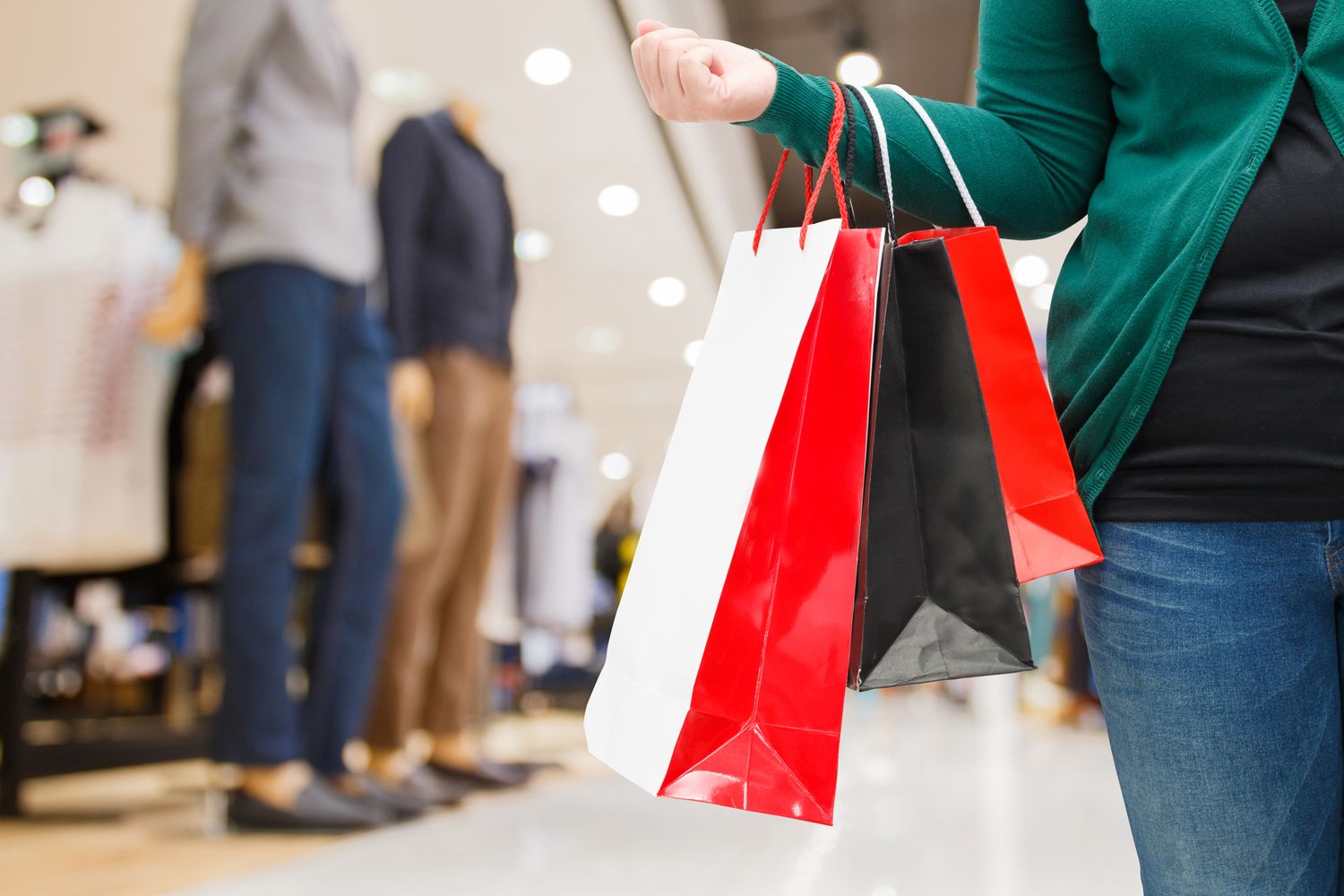
Outlet Store: How to Shop Smart and Find Genuine Value
An outlet store can be an exciting place to shop, especially for customers who enjoy finding quality products at lower prices. From clothing and footwear to bags, accessories, home goods, and other lifestyle products, outlet stores can offer a wide selection without the same pricing found in many traditional retail locations.
However, successful outlet shopping is about more than searching for the biggest discount. Some products may come from previous seasons or excess inventory, while others may be manufactured specifically for outlet channels. Understanding these differences can help shoppers compare products more carefully and decide whether an offer is genuinely worthwhile.
What Is an Outlet Store?
An outlet store is a retail location where products are commonly sold at reduced prices, often through a manufacturer or brand’s dedicated outlet channel. The traditional outlet model was associated with factory-direct sales, while modern outlets can carry previous-season merchandise, excess stock, clearance products, and items designed specifically for outlet stores.
This means shoppers should not automatically assume that every product in an outlet is identical to an item sold in a full-price store.
For example, a clothing brand may send last season’s jackets to an outlet after the regular collection changes. Another jacket may have been designed specifically for the outlet market with different materials or construction.
Why Do People Shop at Outlet Stores?
Lower Prices
The most obvious attraction is price. Outlet stores can give shoppers access to products at reduced prices, particularly when merchandise is from an earlier season or needs to be cleared from inventory.
This can be especially useful for customers who are not concerned about owning the newest collection.
More Choice in One Location
Outlet centers often bring multiple retailers together, allowing shoppers to compare different brands and product categories during one visit.
A customer shopping for clothing, shoes, and accessories may be able to find all three without visiting several separate shopping districts.
Discovering Discontinued Products
Some outlet inventory consists of styles that are no longer widely available in regular stores. This can make outlet shopping appealing to people looking for a particular design, color, or product from an earlier collection.
Are Outlet Products the Same as Regular Retail Products?
This is one of the most important questions to consider.
The answer can vary. Some outlet products are previous-season or excess merchandise that was originally sold through regular retail channels. Other products are created specifically for outlets and may differ in materials, construction, features, or design.
For shoppers, this means the brand name alone should not determine whether something is a good purchase.
Check the Materials
Look at the product label and material information. For clothing, compare fabric composition, stitching, buttons, zippers, and lining when possible.
For bags and shoes, examine seams, handles, soles, closures, and other areas that receive frequent use.
Compare Similar Products
If you have access to the brand’s regular retail store or website, compare similar products. This can help you understand differences in materials, features, and construction.
How to Find a Genuine Bargain
A large discount sign can be attractive, but it does not automatically mean you are getting exceptional value. Some outlet pricing uses comparison prices that may not represent what the exact product previously sold for in a regular store.
Research Before Shopping
If you already know what product you want, check its typical price before visiting the outlet. This gives you a useful reference point.
For example, if you are looking for a particular style of handbag, researching similar products beforehand can help you recognize whether the outlet price is genuinely competitive.
Inspect the Product Carefully
Do not rush simply because an item is discounted. Check for loose stitching, scratches, missing parts, stains, damaged packaging, or other issues.
A small imperfection may be acceptable if the price reflects it and you are comfortable with the purchase. However, a significant defect can make an inexpensive product poor value.
Outlet Shopping for Clothing
Clothing is one of the most popular categories found in outlet stores. Previous-season collections can offer good opportunities for shoppers who prioritize style and quality over having the newest release.
Before purchasing clothing, check:
- Fabric composition
- Size and fit
- Stitching quality
- Buttons and zippers
- Care instructions
- Visible defects
Try Before You Buy
If fitting rooms are available, use them. Clothing can look different on a hanger than it does when worn.
A discounted shirt is not a bargain if the cut is uncomfortable or the size does not suit you.
Buying Shoes From an Outlet Store
Shoes require particular attention because comfort and construction directly affect everyday use.
Check the sole, stitching, interior lining, fastening system, and overall shape. Try both shoes and walk around for a moment if the store permits it.
For example, a pair of formal shoes may look excellent but feel uncomfortable after only a few minutes. A slightly less expensive alternative that fits properly could be the better purchase.
Outlet Shopping for Bags and Accessories
Bags, wallets, belts, sunglasses, and other accessories can also be attractive outlet purchases.
When evaluating a bag, inspect the handles, seams, zippers, lining, and hardware. For a wallet, check the stitching and compartments. With accessories, examine the finish and fastening mechanisms.
These small checks can help you distinguish a useful purchase from an item that only looks appealing because of its discount label.
Common Outlet Shopping Mistakes
Buying Something Just Because It Is Discounted
A low price does not create a need. If you would not purchase an item at a reasonable price without the discount, think carefully before adding it to your shopping bag.
Assuming Every Outlet Product Is Identical to Retail Merchandise
As discussed above, outlet products can come from different sources. Some may be previous-season goods, while others may be outlet-specific products.
Ignoring Return Policies
Outlet purchases can sometimes have different return or exchange conditions from regular-store purchases. Always check the policy before paying.
Focusing Only on the Original Price
A product marked with a large “compare at” price can appear like an extraordinary bargain. Compare the actual product, current market prices, materials, and quality before deciding.
A Simple Example of Smart Outlet Shopping
Imagine you find two jackets at an outlet store.
The first jacket has a very large discount but uses lightweight material and has basic construction. The second jacket has a smaller discount but is made with stronger fabric, better stitching, and a design you expect to wear frequently.
The first jacket may have the more impressive price tag, but the second could provide greater value because it better meets your needs and may remain useful for longer.
This is why smart outlet shopping focuses on value rather than discount percentage alone.
How to Plan an Outlet Shopping Trip
Create a Shopping List
Decide what you actually need before arriving. This helps reduce impulse purchases.
Set a Spending Limit
A budget can keep an exciting shopping trip from becoming an unexpectedly expensive one.
Shop With Enough Time
Avoid rushing. Give yourself enough time to inspect products, compare options, and check prices.
Prioritize Versatile Items
A classic jacket, neutral bag, comfortable shoes, or simple accessories may provide more value than a highly specific trend piece that you will rarely use.
Frequently Asked Questions
What is the main advantage of an outlet store?
The main attraction is the opportunity to purchase products at reduced prices. Outlet merchandise can include previous-season goods, excess inventory, clearance products, and outlet-specific items.
Are outlet products always lower quality?
No. Quality depends on the product and its source. Some items may be previous-season merchandise, while some are produced specifically for outlet channels and may have different materials or construction.
How can I tell if an outlet deal is worthwhile?
Compare prices, inspect the product, check materials and construction, and consider whether you genuinely need the item. Do not rely only on the advertised discount.
Is outlet shopping good for clothing?
It can be, particularly if you are comfortable buying previous-season styles. Always check fit, fabric, stitching, and overall condition before purchasing.
Should I check the return policy?
Yes. Return and exchange rules may differ from those of regular retail stores, so understanding the policy before paying is important.
Conclusion
An outlet store can be an excellent destination for shoppers who want to balance style, quality, and price. The key is to approach every purchase thoughtfully rather than assuming that a large discount automatically represents a great deal.
Research prices, inspect products carefully, understand whether an item was made for the outlet or comes from regular retail inventory, and check the return conditions. With these habits, outlet shopping becomes less about chasing discounts and more about finding products that genuinely fit your needs and budget.
The best outlet purchase is ultimately one that you will enjoy using long after the excitement of the discount has disappeared.