Accessories Shop: How to Choose the Right Pieces for Every Style
Accessories have a simple way of changing an outfit. A basic shirt can look polished with the right watch, while a simple dress can feel completely different with a handbag, scarf, or carefully chosen jewelry. This is why an accessories shop can be a useful destination for people who want to refresh their wardrobe without buying an entirely new collection of clothes.
From everyday essentials to statement pieces, accessories offer plenty of opportunities to express personal style. The key is knowing what to look for, how to combine different items, and how to choose pieces that are practical as well as attractive.
What Can You Find in an Accessories Shop?
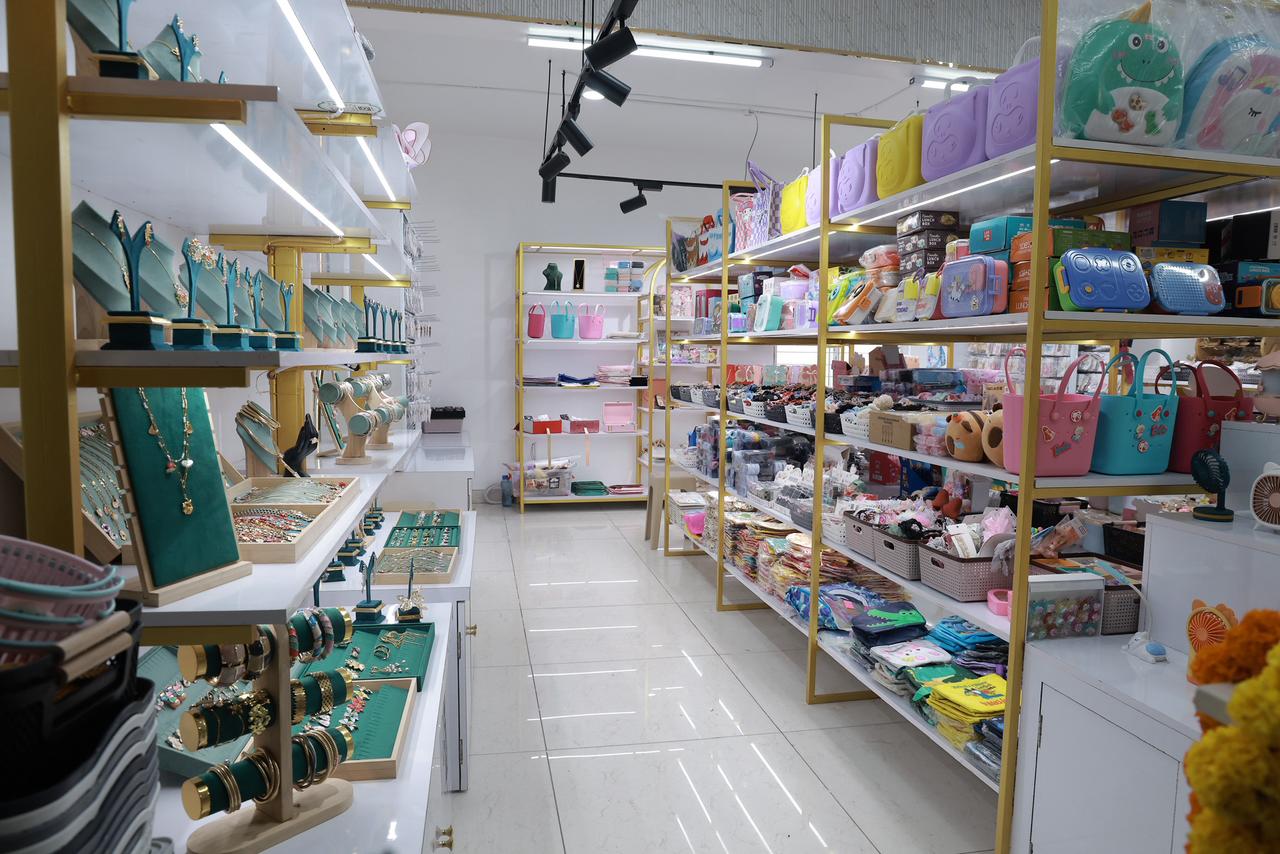
A well-organized accessories shop usually offers products for different occasions, styles, and budgets. The selection may include fashion items as well as practical everyday pieces.
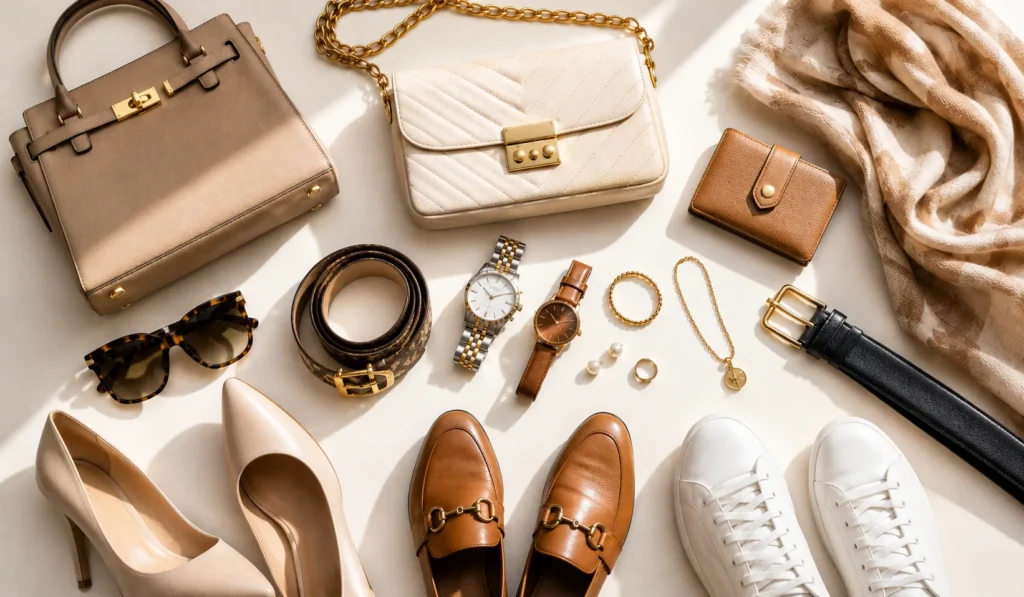
Common categories include:
- Jewelry such as earrings, bracelets, necklaces, and rings
- Handbags, purses, wallets, and small pouches
- Watches and other wrist accessories
- Belts, scarves, hats, and hair accessories
- Sunglasses and seasonal fashion pieces
- Small gift items and decorative accessories
The best selection depends on the type of shop. Some focus mainly on women’s fashion, while others offer accessories for men, children, or the entire family.
Why Accessories Matter in Everyday Fashion
Clothing creates the foundation of an outfit, but accessories often provide the finishing touch. They can introduce color, texture, contrast, or personality without requiring a major wardrobe change.
For example, a neutral outfit can be made more interesting with a colorful handbag or patterned scarf. Similarly, understated jewelry can make office clothing look more refined without appearing excessive.
Accessories can also help people adapt the same clothing for different settings. A simple outfit suitable for daytime can become more suitable for an evening occasion by adding elegant jewelry, a stylish bag, or a distinctive belt.
How to Choose Accessories That Suit Your Style
Consider Your Existing Wardrobe
Before purchasing something new, think about the clothing you already own. Accessories that coordinate with several outfits generally provide more value than pieces that work with only one combination.
If your wardrobe contains mostly neutral shades, for example, accessories can introduce brighter colors. If your clothes are already colorful, simpler accessories may create a more balanced appearance.
Think About the Occasion
An accessory should match the situation. Everyday pieces usually benefit from comfort and durability, while special occasions may call for more decorative designs.
For work, practical handbags, modest jewelry, and classic watches can create a professional appearance. For casual outings, colorful scarves, fashionable sunglasses, or relaxed bags can add personality.
Pay Attention to Quality
Appearance is important, but construction matters too. Check stitching on bags, clasps on jewelry, the finish of metal pieces, and the strength of straps or handles.
A well-made accessory can remain useful for years, making it a better purchase than an inexpensive item that quickly loses its shape or finish.
Building a Practical Accessories Collection
You do not need dozens of accessories to create different looks. A small collection of versatile pieces can be much more useful.
Start with everyday essentials that work across multiple outfits. A neutral handbag, a simple watch, classic earrings, and a versatile belt can provide a strong foundation.
After covering the basics, add a few distinctive pieces. A bold necklace, colorful scarf, patterned bag, or statement earrings can give familiar clothing a completely different appearance.
This approach also makes shopping more intentional. Instead of purchasing accessories simply because they look attractive in the moment, you can choose pieces that fill an actual gap in your collection.
Shopping for Accessories Online or In Store
Both shopping methods have advantages. Visiting a physical accessories shop allows you to examine materials, check colors under real lighting, and see how certain pieces look when worn. It can also be easier to judge the size and comfort of bags, watches, sunglasses, and jewelry in person.
Online shopping provides convenience and access to a broader selection. Product descriptions, photographs, customer reviews, and sizing information can help with decision-making.
Whichever method you choose, pay attention to product details rather than relying only on appearance. Material information, dimensions, care instructions, and return policies can all influence whether an accessory is a good purchase.
Tips for Matching Accessories With Outfits
Creating a balanced look does not require complicated fashion rules. A few simple principles can help.
Keep Proportions in Mind
Large statement earrings may work well with a simple neckline, while a heavily detailed outfit may look better with smaller accessories. Balancing the size of clothing details and accessories can prevent the overall look from feeling crowded.
Use Color Thoughtfully
Accessories can either complement the colors in an outfit or provide a deliberate contrast. A neutral outfit offers more freedom to experiment, while colorful clothing may benefit from accessories in complementary or understated shades.
Avoid Overloading an Outfit
Wearing several attractive pieces at once does not always produce the best result. If one accessory is designed to stand out, allow it to become the main feature and keep the remaining pieces relatively simple.
Choosing Accessories as Gifts
Accessories can also make thoughtful gifts because they combine style and practicality. When buying for someone else, consider their daily habits and personal taste.
A person who prefers classic clothing may appreciate a simple watch or elegant wallet, while someone who enjoys experimenting with fashion might prefer a colorful bag, distinctive jewelry, or a fashionable scarf.
If you are unsure about a person’s exact preferences, choose something versatile and easy to pair with different outfits.
Caring for Your Accessories
Proper care can significantly extend the life of fashion accessories. Keep jewelry away from excessive moisture and store delicate pieces separately to reduce scratches and tangling.
Bags should be stored in a dry place and protected from unnecessary pressure that can affect their shape. Sunglasses are best kept in a protective case when they are not being worn.
Following the care instructions provided with each product is one of the simplest ways to maintain its appearance.
Frequently Asked Questions
What should I look for when choosing accessories?
Consider your personal style, wardrobe, occasion, comfort, material quality, and how often you expect to use the item. Versatile pieces are usually a good starting point.
How many accessories should I own?
There is no fixed number. A practical collection can begin with a few everyday essentials and gradually expand with pieces suited to different occasions.
Are accessories good gifts?
Yes. Items such as wallets, handbags, watches, scarves, jewelry, and sunglasses can make useful gifts when they match the recipient’s preferences.
How can I make simple clothes look more stylish?
Try adding one or two carefully selected accessories. A statement bag, attractive jewelry, scarf, belt, or watch can change the appearance of a simple outfit without requiring new clothing.
Conclusion
An accessories shop can offer much more than fashionable extras. The right accessories can make everyday outfits more practical, expressive, and adaptable. By considering quality, occasion, personal style, and compatibility with your existing wardrobe, you can build a collection that is useful rather than excessive.
Whether you are searching for an everyday essential, a special gift, or a distinctive piece to refresh your style, thoughtful accessory shopping can help you create more outfit possibilities while keeping your personal look unique.