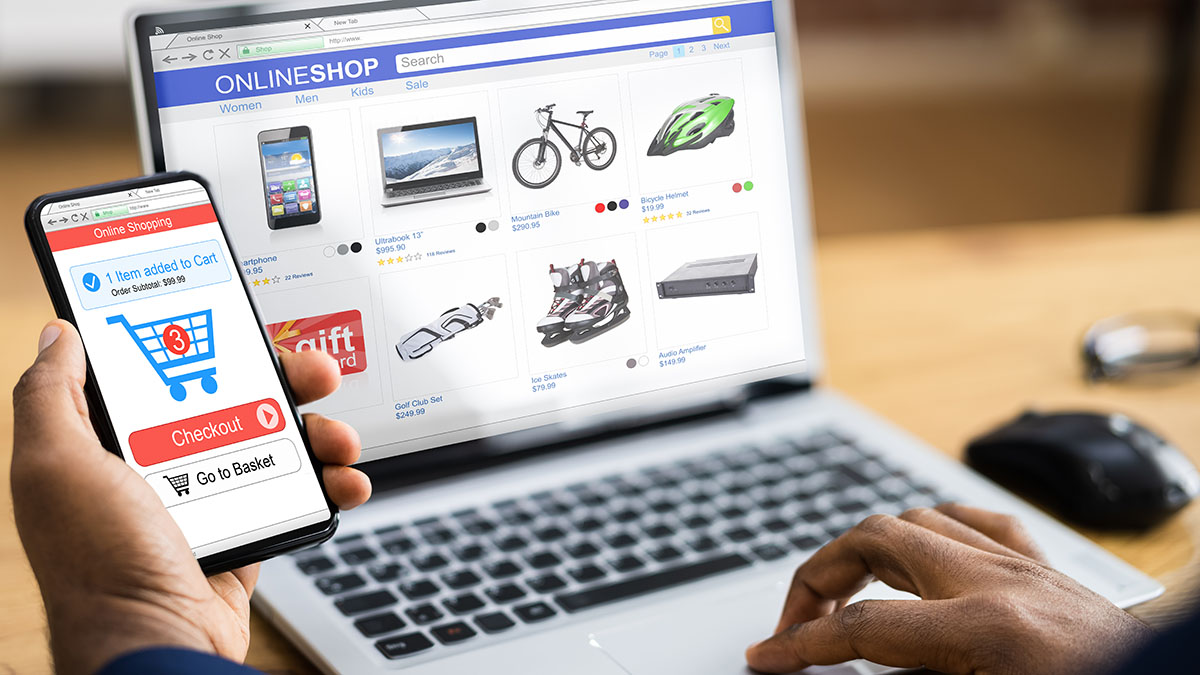
The Importance of Visual Merchandising in E-Commerce
In the digital retail landscape, where customers cannot physically touch or feel products, the visual experience becomes the cornerstone of persuasion. The importance of visual merchandising in e-commerce lies in its ability to create engaging, trust-building, and conversion-oriented shopping experiences. Unlike traditional merchandising, where in-store displays drive attention, online visual merchandising relies on design, imagery, and layout to replicate and even enhance that sensory experience. By crafting visually cohesive and emotionally compelling digital storefronts, e-commerce brands can capture attention, influence perception, and ultimately drive higher sales.
What Is Visual Merchandising in E-Commerce?
Visual merchandising in e-commerce refers to the strategic presentation of products in a digital environment to optimize user engagement and conversion. It encompasses everything from website layout, imagery, and color schemes to product photography, navigation, and personalized recommendations. While brick-and-mortar stores use window displays and lighting to attract foot traffic, online stores rely on visuals and interactive experiences to appeal to shoppers’ emotions and instincts.
The goal of visual merchandising online is not only to make a site look attractive but also to guide the user journey, encourage exploration, and build trust through visual consistency and clarity. When executed correctly, it turns casual browsers into paying customers and first-time buyers into repeat shoppers.
The Role of First Impressions in Online Shopping
In digital retail, first impressions are made within seconds. Research shows that users form an opinion about a website’s credibility within 50 milliseconds. A visually appealing layout immediately signals professionalism, reliability, and brand quality. The design and visual merchandising of an e-commerce platform are often the first point of interaction between a brand and potential customers, making this stage critical for establishing trust and interest.
Key Visual Elements That Shape First Impressions
- Homepage Layout: The homepage should clearly communicate the brand’s identity and highlight featured products or offers.
- Color Psychology: The strategic use of colors influences mood and buying behavior. For example, blue evokes trust, red drives urgency, and green symbolizes sustainability.
- Typography and Readability: Clear, modern fonts create a seamless reading experience and convey professionalism.
- Consistent Branding: Cohesive visuals across the website foster recognition and reliability.
A visually harmonious and well-organized digital storefront gives shoppers confidence to explore deeper, setting the foundation for higher engagement.
The Connection Between Visual Merchandising and User Experience (UX)
Visual merchandising and user experience are inseparable in e-commerce. Effective visual design enhances usability by creating intuitive navigation and guiding customers naturally through their buying journey. Every design element—from product imagery to menu placement—should contribute to ease of exploration.
UX-Focused Merchandising Practices
- Logical Product Placement: Grouping products by category, popularity, or relevance simplifies browsing.
- Interactive Design: Features like zoomable images, 360-degree product views, and video demonstrations make the experience more immersive.
- White Space Utilization: Clean, uncluttered layouts prevent cognitive overload and draw attention to key visuals.
- Visual Hierarchy: Highlighting bestsellers, new arrivals, or limited-time deals using size and contrast enhances engagement.
Good UX-driven visual merchandising ensures that design not only pleases the eye but also serves a functional purpose—helping users find what they want quickly and enjoy the process along the way.
Product Photography: The Heart of Online Visual Merchandising
High-quality product photography is one of the most powerful tools in online visual merchandising. Because customers cannot physically inspect items, images must do the heavy lifting in building trust and conveying value.
Elements of Effective Product Photography
- Multiple Angles: Providing different perspectives allows buyers to assess details and craftsmanship.
- Lifestyle Imagery: Showing products in real-world settings helps customers visualize ownership.
- Consistency: Using uniform lighting and backgrounds maintains aesthetic balance across product listings.
- Zoom and Detail Features: Letting users inspect fine details increases confidence in purchase decisions.
Incorporating product videos and interactive media further enhances visual storytelling. A short demonstration or unboxing clip can elevate consumer engagement and reduce uncertainty about product quality or functionality.
The Impact of Visual Hierarchy and Design Flow
In visual merchandising, hierarchy determines what captures the customer’s attention first. Effective visual hierarchy ensures that essential elements like calls-to-action, promotions, and product highlights are easily noticeable.
Techniques for Creating Strong Visual Hierarchy
- Size and Scale: Larger visuals naturally draw attention to featured items.
- Contrast: Using color and brightness contrast emphasizes key sections like discounts or exclusive collections.
- Directional Cues: Subtle design elements, such as arrows or gaze direction in imagery, guide user focus.
- Content Positioning: Placing important visuals above the fold increases visibility and interaction.
A well-structured design flow mimics the in-store experience—where shoppers move effortlessly from display to checkout—by directing the user journey through intentional visual cues.
The Role of Color Theory in E-Commerce Design
Color plays a crucial role in shaping shopper emotions and behaviors. Visual merchandising uses color psychology to evoke specific feelings and guide purchasing intent. For instance, red often conveys urgency and is used in sale banners, while green represents eco-friendliness and calm.
Applying Color Psychology to Online Stores
- Brand Identity Colors: Reinforce recognition and build loyalty.
- Contrast for Call-to-Action (CTA): Bright, contrasting colors make buttons like “Add to Cart” stand out.
- Mood Association: Warm tones energize shoppers; cool tones create trust and comfort.
- Category Differentiation: Using subtle color variations helps distinguish sections without disrupting design unity.
By strategically combining colors, e-commerce sites can evoke emotions that influence both conscious and subconscious buying decisions.
Storytelling Through Visual Merchandising
Beyond aesthetics, visual merchandising serves as a storytelling tool. The imagery, layout, and design communicate a brand’s personality and values. Effective storytelling helps customers connect emotionally with the brand, which is essential for building long-term loyalty.
Components of Visual Storytelling
- Hero Banners: Use powerful visuals and concise text to communicate brand purpose or promotions.
- Seasonal Themes: Reflect holidays or trends to keep the website feeling timely and relevant.
- Lifestyle Contexts: Show customers how products fit into their lives or solve specific problems.
- Visual Continuity Across Channels: Consistent storytelling between websites, social media, and ads reinforces brand identity.
When visual merchandising tells a cohesive story, it transforms a shopping session into an immersive brand experience.
Mobile Optimization and Visual Consistency
With the majority of e-commerce traffic coming from mobile devices, mobile-friendly visual merchandising is essential. A visually rich desktop layout that isn’t optimized for mobile will lead to poor performance and higher bounce rates.
Best Practices for Mobile Visual Merchandising
- Responsive Design: Images and layouts should adapt seamlessly to various screen sizes.
- Fast Loading Speeds: Compress images without losing quality to enhance performance.
- Simplified Navigation: Mobile users prefer streamlined menus and thumb-friendly buttons.
- Vertical Scrolling: Design product displays that align naturally with mobile browsing habits.
Consistency across devices ensures a unified brand image, reinforcing professionalism and reliability.
Personalization and Data-Driven Merchandising
Data analytics has revolutionized visual merchandising by allowing retailers to personalize visual displays based on user behavior. Through big data and AI algorithms, websites can dynamically adjust product recommendations, visuals, and banners to align with individual preferences.
Personalization Strategies
- Dynamic Product Displays: Show items based on browsing or purchase history.
- Geo-Targeted Visuals: Customize visuals according to regional trends or seasons.
- Behavioral Triggers: Use visuals to retarget users who abandoned carts or viewed specific categories.
- Customer Segmentation: Tailor homepage visuals for different audience segments, such as new vs. returning visitors.
By merging data insights with visual design, online stores can create an experience that feels curated, increasing conversion potential and customer satisfaction.
The Relationship Between Visual Merchandising and Conversion Rates
Visual merchandising directly impacts conversion rates by influencing decision-making speed, emotional engagement, and perceived trustworthiness. A visually appealing product page can increase dwell time, reduce bounce rates, and encourage add-to-cart actions.
Conversion-Focused Visual Techniques
- Clear Product Presentation: Eliminate clutter to focus attention on product value.
- Trust Signals: Include badges, ratings, and reviews in proximity to visuals.
- Urgency Indicators: Visual countdowns or limited-stock displays create psychological triggers for action.
- Optimized Checkout Design: Clean, visually guided checkout flows reduce cart abandonment.
The harmony of visuals and function creates an enjoyable path from discovery to purchase, boosting overall sales performance.
The Future of Visual Merchandising in E-Commerce
As technology evolves, so will the sophistication of visual merchandising. Innovations such as augmented reality (AR), virtual fitting rooms, and 3D product visualization are redefining how consumers interact with digital storefronts.
Emerging Trends
- Augmented Reality Integration: Allows customers to visualize products in their environment before purchasing.
- AI-Powered Design Automation: Automates layout adjustments based on user data and behavior.
- Immersive 3D Displays: Enhances engagement by providing near-tangible product experiences.
- Sustainable Design Practices: Incorporating eco-friendly aesthetics to appeal to environmentally conscious shoppers.
The future of e-commerce will be increasingly experiential, with visual merchandising at the center of immersive digital storytelling and customer connection.
FAQs
Q1. Why is visual merchandising so important in e-commerce?
It influences how shoppers perceive a brand, navigate a website, and make purchase decisions. Strong visuals build trust, increase engagement, and drive conversions.
Q2. How does product photography affect online sales?
High-quality product images reduce uncertainty and instill confidence in buyers, leading to higher conversion rates and fewer returns.
Q3. What role does color play in online visual merchandising?
Colors affect mood, perception, and action. The right color palette can create urgency, trust, or comfort, aligning emotional response with business goals.
Q4. How can retailers personalize visual merchandising?
Retailers can use data analytics and AI to display visuals and products tailored to a shopper’s behavior, preferences, and location.
Q5. What are some common mistakes in e-commerce visual design?
Overcrowded layouts, inconsistent imagery, poor mobile optimization, and unclear product presentation are common pitfalls that hinder sales.
Q6. What technologies will shape the future of visual merchandising?
Augmented reality, artificial intelligence, and 3D visualization will dominate the future, offering immersive, data-driven shopping experiences.
The importance of visual merchandising in e-commerce extends far beyond aesthetics—it’s a strategic blend of psychology, design, and technology that drives engagement and conversion. As digital competition grows, mastering visual storytelling and interactive design will remain the key to building customer loyalty and achieving long-term success in online retail.